why weddings feel performative
AND WHY ELOPEMENTS CHANGE EVERYTHING
WHAT nobody talks about
Most people don’t realize it until they’re in the middle of planning one, but traditional weddings have a way of turning into a full-blown performance, a production where the couple ends up playing the lead roles in a show designed for everyone except themselves.
It’s supposed to be a celebration of a relationship, but somehow it becomes a day choreographed around expectations - family expectations, cultural expectations, social media expectations - and the pressure to “do it right” because it’s a once-in-a-lifetime event and therefore must be perfect.
The weight of perfection
Perfection is in every aspect of the wedding industry; it’s in the styled shoots on Pinterest, the impossible tablescapes on Instagram, the flawless brides in magazine spreads, and the endless lists of what you “must have” for a wedding to be considered beautiful or successful.
Couples internalize this without even realizing it, and suddenly they’re not planning a celebration anymore, but they find themselves project-managing a production, terrified of disappointing people or falling short of the aesthetic they’ve seen repeated a thousand times online.
Instead of being present, they try to control everything, because that’s what perfectionism demands.
Families change everything, and not always in the ways you hope
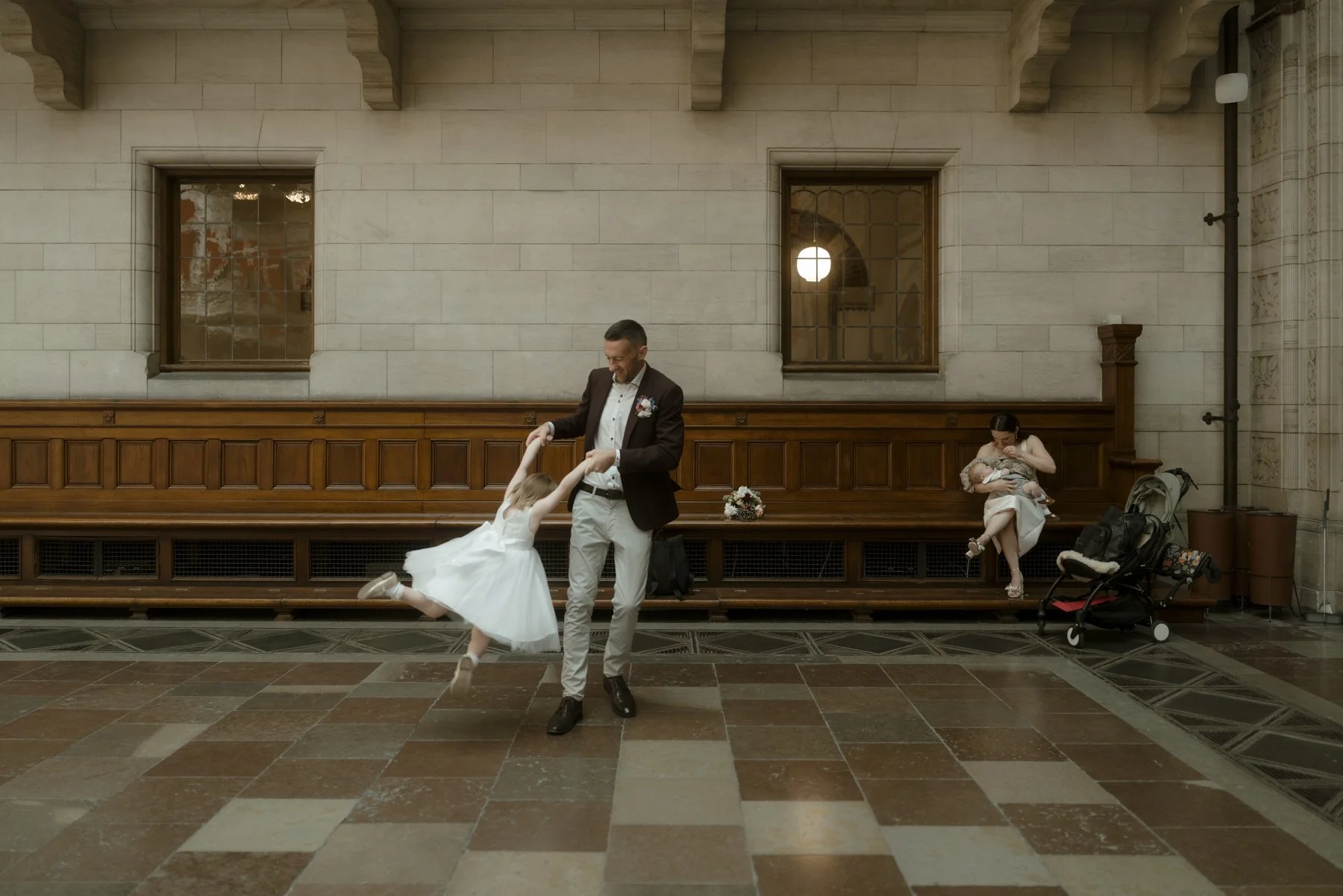
As much as we love our families, they bring their own script to weddings, full of ideas about what a wedding “should” look like, who should be invited, what traditions should be included, and what decisions are “appropriate.”
Parents want certain photos, certain rituals, certain details that feel important to them, and couples often find themselves negotiating instead of creating, compromising instead of choosing freely, catering to the comfort of others instead of honoring their relationship.
It’s subtle at first, but over time it shifts the day away from being intimate and toward being performative, because now there’s an audience with expectations you’re expected to meet.
Guests turn a wedding into an event
Even the most supportive guests require attention: seating charts, dietary preferences, transportation plans, schedules, timelines, entertainment, and the strange social choreography of making sure no one feels left out or offended.
When you’re hosting, you’re performing, even if that performance is wrapped in politeness and good intentions.
Couples end up spending more time greeting people than connecting with each other, and by the end of the day they realize they barely had a moment alone, because they were too busy being the hosts of a very elaborate party.

The cost of performing
The performance comes with a cost, and that cost is presence.
When you’re thinking about logistics, checking the time, worrying about the weather, managing family dynamics, or making sure the day “runs smoothly”, you’re not in your relationship, but in the role of wedding planner, host, coordinator, and entertainer.
And the irony is that the couple, the two people the day is supposedly about, are often the ones who enjoy it the least, because they’re too busy performing the wedding instead of experiencing it.
Why small weddings feel different
Now take all that noise and remove it:
no big guest list
no pressure to perform
no timeline squeezed around speeches and traditions
no relatives negotiating seat placements
no need to “keep the vibe going”
Suddenly, there is space - real space - for couples to breathe, to talk to each other, to feel things fully, to let the day unfold without trying to script every second.
Intimate weddings strip away the audience, and when the audience disappears, the performance disappears with it. The day becomes quieter, slower, more deliberate. More honest. More human.
The freedom to build the day you want
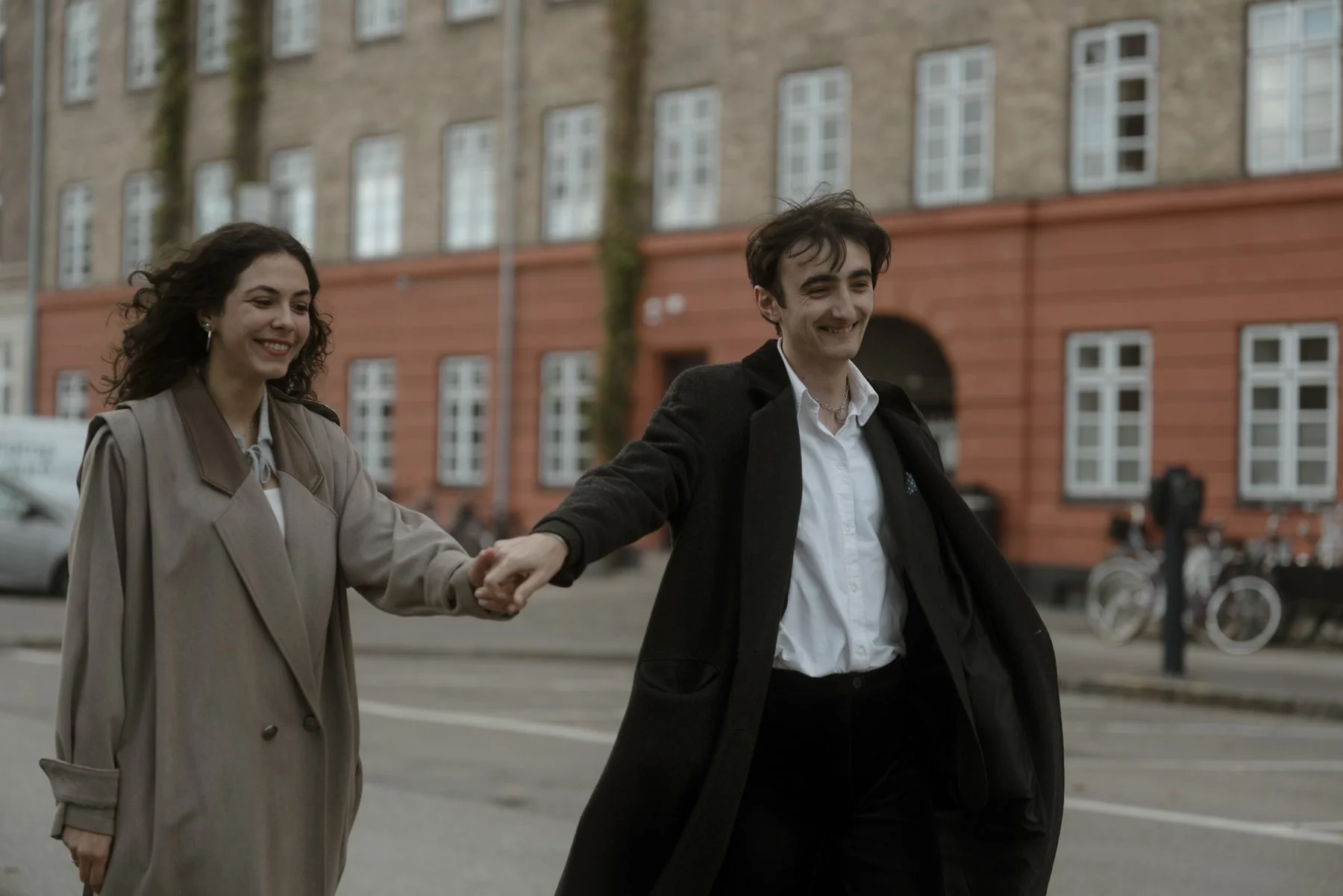
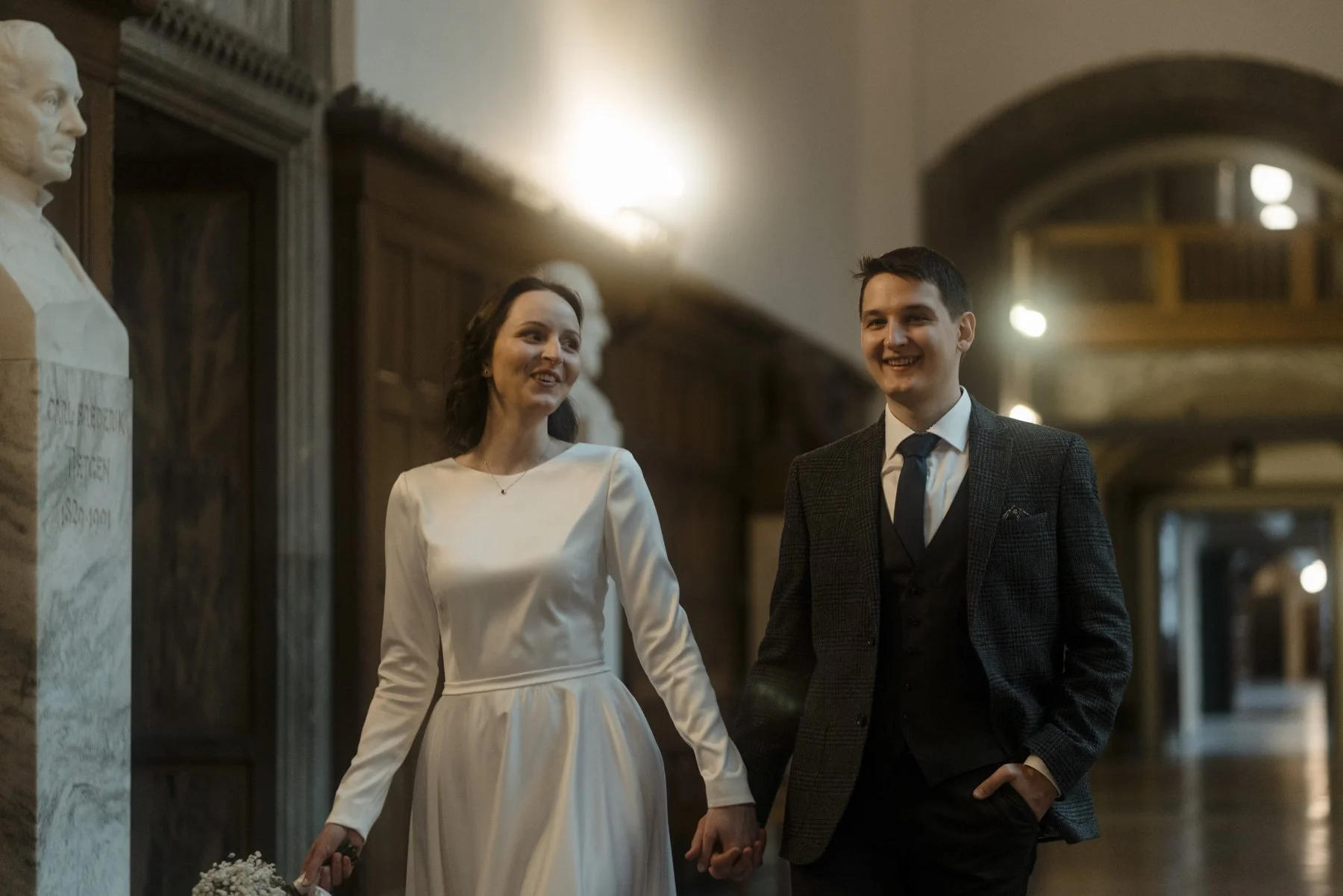
Without a crowd to please, the couple can choose what actually matters to them: a walk through the city instead of formal photos, handwritten vows instead of rehearsed speeches, a café lunch instead of a ballroom dinner, or even just a moment to sit together and absorb what’s happening without a line of guests waiting to speak to them.
Intimate weddings aren’t less “special” because they’re smaller: they’re often more meaningful because they’re honest.
The day belongs to the couple, not the guests.
What I see, as a photographer
After photographing hundreds of weddings, big and small, I’ve learned that intimacy changes people.
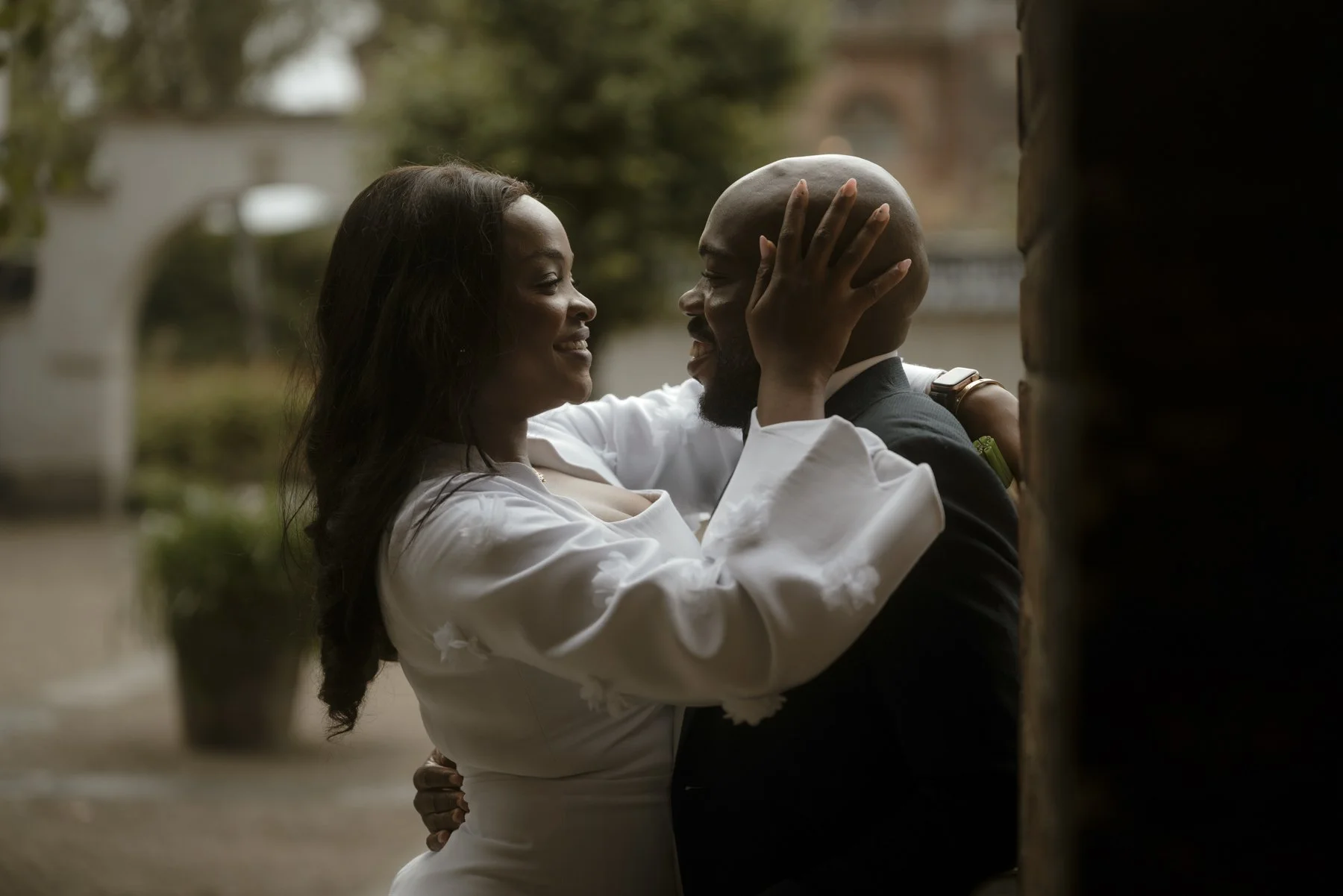
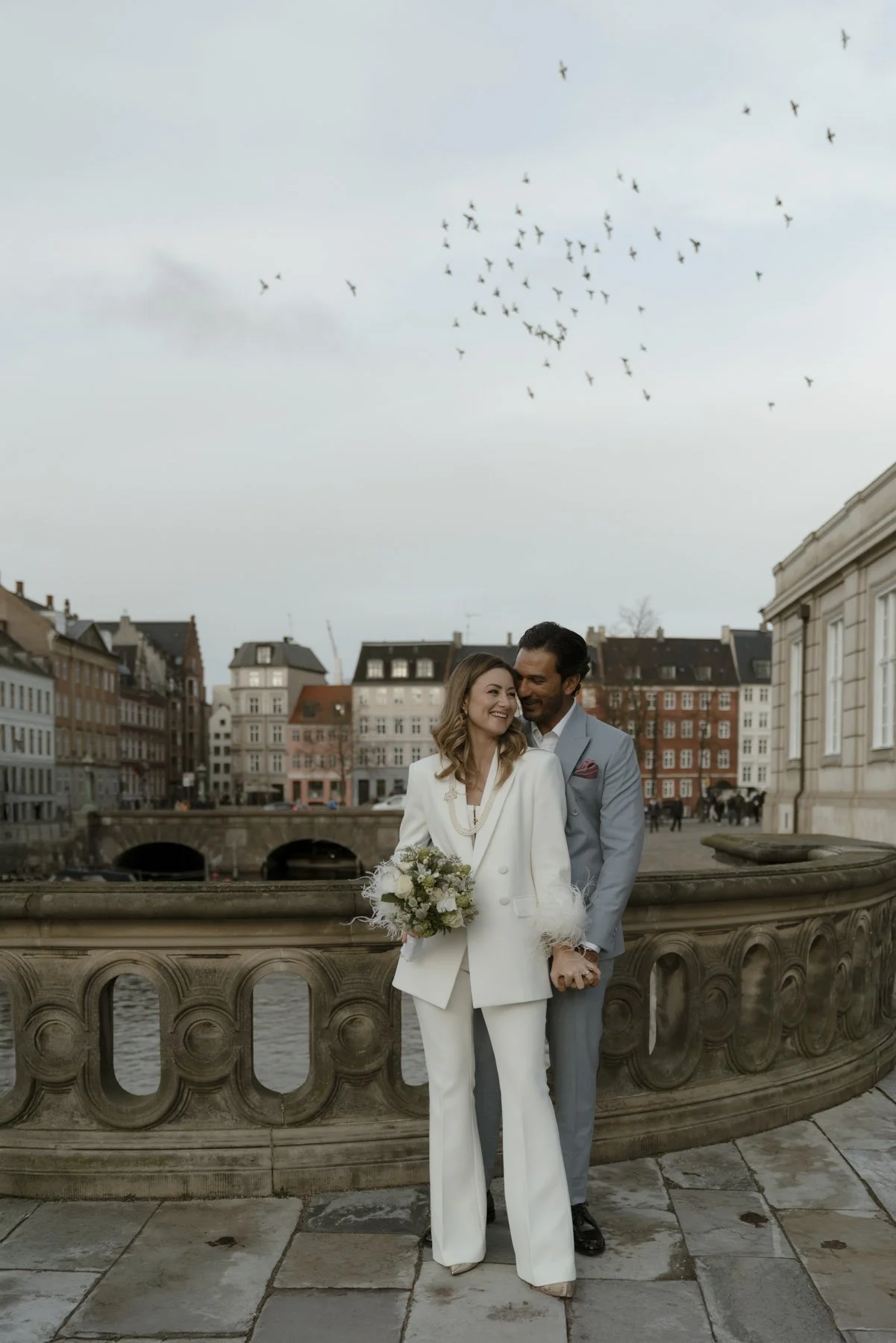
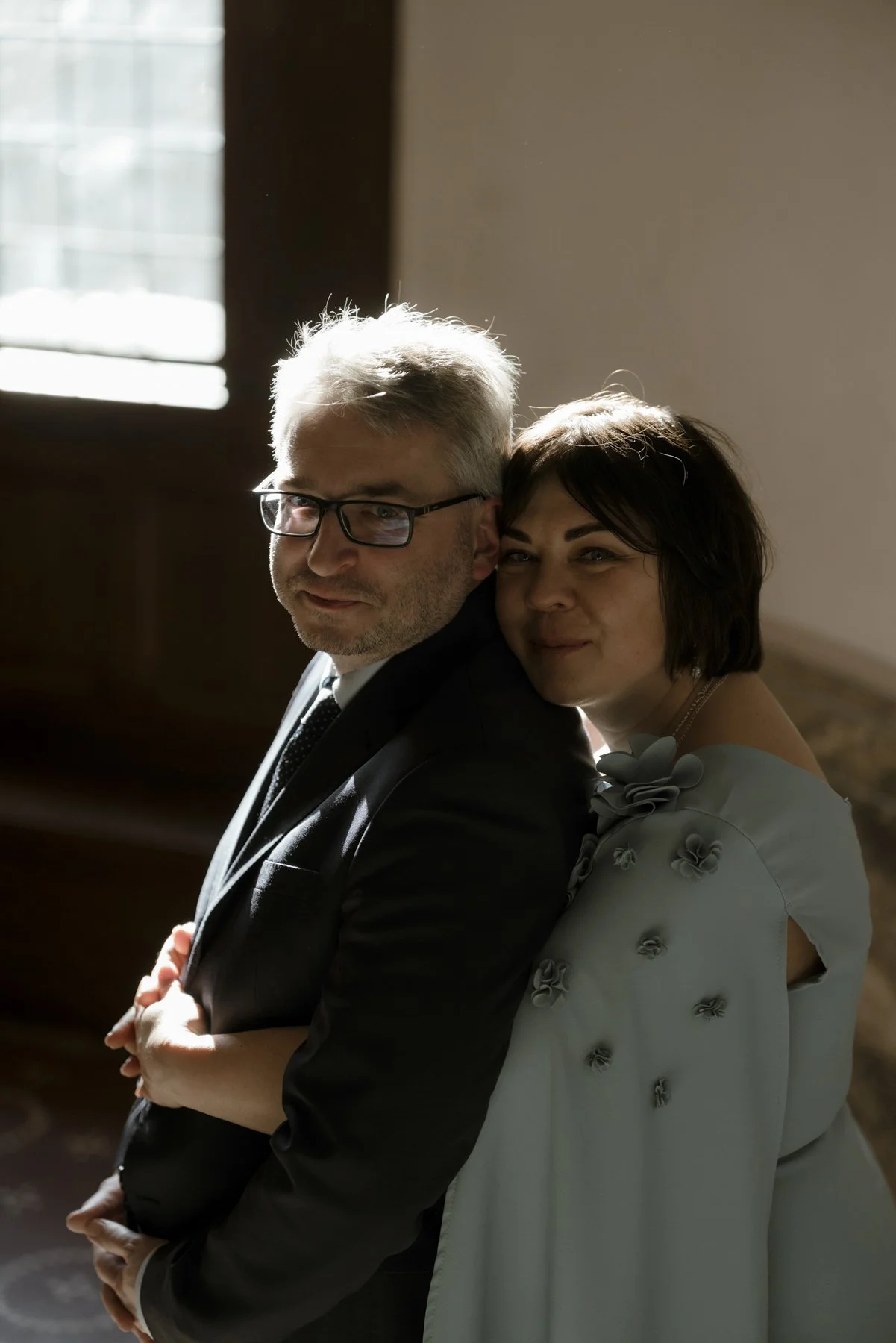
For couples who choose to elope or have a tiny wedding, something softens: the shoulders lower, the breathing slows, the tension fades. Their faces stop performing. Their connection becomes more visible. They laugh differently. They hold each other differently. They look at each other instead of at the crowd.
And from behind the camera, I see the shift every time: without pressure, relationships reveal themselves fully, and the photos become something deeper than documentation. They become proof that the day was actually felt.
You don’t need an audience to make your marriage real
At the end of the day, a wedding shouldn’t be a show. It isn’t a performance. It isn’t a production that needs to impress a room full of people.
A wedding is two people choosing each other and choosing to mark that choice in a way that feels right for them.
If the noise of tradition, expectation, and perfection is drowning out your excitement, remember this: intimacy is always an option, and you are allowed to choose a wedding that feels like your relationship, not like a performance of it.